Deep bases make their always keep when near-surface soils can easily certainly not bring the weight. On paper, helical piles, resistance heaps, and also micropiles can easily all supply capability. In the field, the right option depends upon what exists underneath, how it varies throughout the website, as well as how the design asks for that tons be actually handled in time. Soil inspection is actually the filter that transforms a catalog of choices in to a sensible layout. Bypass the homework and you take the chance of stacks that torque out early, settlement that shows up after the renters relocate, or even installation costs that spin when the crew attacks a hard layer nobody anticipated.
This resource distills how to intend and also translate ground investigations that educate helical pile and also resistance pile decisions for commercial foundation repair and brand new construction. It employs the patterns observed all over clay containers, layered filler, glacial tills, coastal sands, and the occasional issue little one like collapsible loess or karst. I concentrate on the inquiries that matter to professionals and also service providers who deal with the outcomes, including cases where commercial micro pile installation or commercial helical pile installation is actually the right solution, as well as others where commercial resistance pile installation or helical tieback anchors hold the day.
The big three: stratigraphy, strength, and variability
Pile collection adventures on three pillars. Initially, stratigraphy, the pattern of levels and their thicknesses. Second, strength and stiffness, which regulate capability and negotiation. Third, variability, both upright and also side. You need adequate depiction to with confidence hit a bearing stratum or set in motion ample skin abrasion in a repeatable method. For helical piles and also helical anchors, incorporate a 4th variable, torque correlation, given that installment torque is actually utilized as a real-time stand-in for capacity.
A soil profile that looks clean on a singular log can easily still mislead. In metropolitan backfill, clay lenses wedge out over tens of feet. In stream balconies, heavy gravel pockets disturb clean sands. The inspection carries out certainly not must be extravagant, but it must resolve the choices you need to make: helix dimension as well as setup, heap type and also size, suggestion altitude, deterioration protection, and setup equipment requirements.
Choosing expedition procedures that fit the site and the questions
For tiny industrial projects, a set of borings along with Basic Seepage Examinations (SPT) might anchor the system. On much larger or even more changeable sites, you acquire assurance along with extra borings, Conoid Infiltration Screening (CPT), and careful tasting for laboratory exams. The mix relies on the soil regime.
SPT borings supply ongoing ground summaries as well as draft matters. They additionally give you samples for laboratory screening and for verifying whether that "very dense sand" is really a soft sand gravel along with cobbles that might chew out helix layers. That claimed, SPT is loud in gravelly dirts, and also blow matters can easily stage in rich coatings where CPT shines. CPT provides continual suggestion resistance, sleeve rubbing, as well as in some cases opening stress. The continuous profile page is important for helical pile design considering that coils need to have to bear in uniform, ideal soils as opposed to uniting a gentle lens.
If you reckon gentle clays or organics, Shelby tube examples cost the logistics. Unconfined compressive stamina as well as Atterberg restrictions offer you mark residential properties and also undrained toughness, which matter for temporary building and construction tons and also uplift scenarios. In sands as well as silts below the water table, waste tests in CPT can easily make clear whether you are actually coping with contractive silts prone to liquefaction, which firmly affects heap kind and uplift factors to consider. For tasks with lateral tons needs or even organized helical tieback anchor installation, get sufficient information to define p-y contours along with self-confidence, whether with in-situ exams, correlations, or even a blend.
An experienced crew is going to also scout obstacles. Ground-penetrating radar or utility locates capture huge powers, but the dull logs inform you whether there are manmade fills with brick, ballast, or even ashes, which may thwart helical piles or require pre-drilling. In past commercial plots, I have actually seen steel bits in filler quit a helical within pair of feet. The contingency plan is pre-drilling or even switching to steered steel protection turn in the obstructed zone.
What the logs must explanation for helical piles
Helical heaps and helical anchors transform twist to axial ability, directed through relationships in between installment twist and utmost resistance. Those connections suppose the coil overlays development right into dirts that shear predictably. If you position a helix across a disposable lens as well as a thick lense, twist readings end up being raucous. That is actually certainly not a plain instrumentation issue, it shows jagged capability along the helix stack.
The boring and also CPT information must inform you three traits with enough settlement to prepare the helix geometry:
- The depth to a continuous, qualified bearing stratum that can accommodate the helix diameters considered. For easy to moderate loads, that could be medium heavy to dense sand or even stiff to incredibly rigorous clay-based. For higher lots, the target might be thick sand as well as rocks or even weathered stone. The trick is actually constancy. A slim, hardpan coating over smooth clay-based is a catch, as the helix may perch partly on the hardpan as well as partially in the clay. The thickness of unacceptable layers that need to be removed to avoid negative skin friction and downdrag where it would injure functionality. As an example, compressible organics as well as loosened sands should be bypassed so the coil plates bear deep enough to minimize settlement deal coming from seasonal wetness or even additional charge changes. Groundwater depth and in season variation. Uplift size in sands is sensitive to saturation, and torque analyses can shift along with opening pressure. If groundwater rests at 5 to 8 feets however rises seasonally, prepare for the damp condition.
Torque-to-capacity variables (Kt) assortment frequently from 8 to 12 in many sands and also clays when using inch-pound twist devices every foot of ray place equivalency. That array is actually certainly not a permit to think. Use previous local tasks and bunch examination records coming from the exact same installer when feasible. On a warehouse in frosty till, our assessed Kt was actually closer to 7 due to gravel as well as cobbles that boosted torque without corresponding axial capability. Without the previous bunch examinations, our team would possess underpredicted the variety of heaps required by around 20 percent.
What the logs have to explanation for resistance stacks and also micropiles
Resistance piles, including steel push boat docks for commercial foundation stabilization, rely upon mounting versus the building and also activating side bearing or even rubbing until refusal. Their efficiency depends upon locating a coating along with sufficient capability to take the bunch without excessive resolution. The soils plan should map the depth to rejection and also the irregularity across the footprint. If you consider commercial resistance pile installation beneath a slab-on-grade along with inadequate gain access to, you also need to understand whether the press path includes impediments like clutter levels, because those may fake an early "refusal" as well as result in underperforming piles.
Micropiles put up with more. With micro pile or micropile installation, you may punch with cobbles, debris, as well as also weathered stone, then grout connect right into proficient strata. The tradeoff is actually expense as well as the demand for grout quality control. Dirt information should describe the connection area as well as the anticipated drilling energy. In incredibly loosened sands listed below the water table, help make arrangements for examining or even pierce liquid to avoid caving. In smooth clay-baseds, account for sidewall leisure which lessens connection unless you use pressure grouting. For higher seismic areas with liquefiable layers, a micropile's functionality depends upon grouted bond below the liquefiable horizon, which the CPT as well as laboratory data need to delineate.
Integrating design needs: axial, uplift, as well as lateral
The soil investigation is merely half the account. Pile assortment is actually a handshake between ground and property. For commercial foundation repair as well as structural foundation repair, inquire 3 questions beforehand. To begin with, are actually lots first and foremost axial compression along with small uplift, like for column retrofits, or exists substantial uplift and also lateral demand as in canopy pillars or even maintaining walls? Second, what are actually the bearable resolutions, both complete and also differential? Third, exactly how will loads be actually presented: braces on existing grounds, brand new pile caps, or tieback anchors by means of walls?
Helical piles often sparkle where uplift issues. Coil geometry gives reliable tensile protection without long embedment. Helical tieback anchors work effectively in overconsolidated clays and also dense sands behind cellar walls and also earth-retaining constructs. If the geography suggests loose loads or even lumpy grounds along with a perched aquifer, evidence testing of tieback anchors comes to be essential. For sidewise tons, helical piles with much larger bars or even damaged arrangements can easily aid, however the soil p-y action controls. In gentle clays, sidewise capability is reduced unless you push deeper or even improve space to propel even more soil.
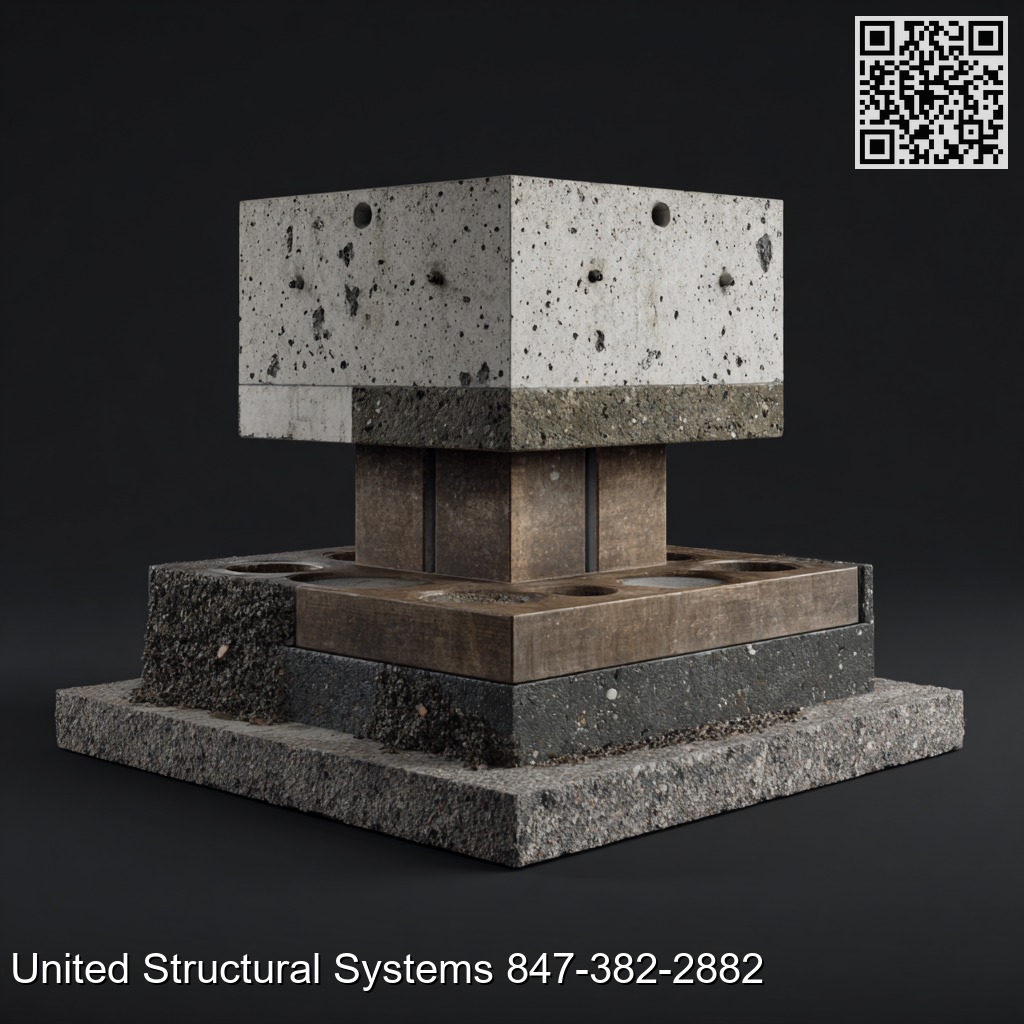
Resistance piles, particularly driven steel water pipes or H-piles, give dependable compression in heavy coatings as well as may be cut to function in limited retrofits. They are less dependable in uplift unless you add limits or use tension-only factors. Micropiles may be designed for consolidated axial and also second ability when studied with unsatisfactory dirts and bonded right into rock or even heavy levels, creating them a go-to for seismic retrofits of existing pillars where the geometry is constrained.
Corrosion and also sturdiness judgments
Subsurface chemical make up modifies the calculus. If resistivity drops listed below approximately 2,000 ohm-cm as well as sulfates or even chlorides manage high, prepare for rust protection. For helical piles and also helical anchors, that may indicate hot-dip galvanizing, thicker wall surface shafts, or maybe cathodic security for essential constructs. For micropiles, the grout cover and also, if needed to have, epoxy-coated or stainless steel reinforcement reduce danger. The investigation ought to include a minimum of a basic oxidation suite: pH, resistivity, sulfides, chlorides, and also sulfate information on representative examples, plus groundwater if present.
One instance: on a seaside commercial foundation repair where brine penetrated a shallow sand lens, common galvanization on helical piles will have been limited for a 50-year service life. The ground data created the scenario for duplex systems on the shafts and stainless components above quality. That decision costs even more in advance, but it protects against mid-life removal that interrupts operations.
Settlement: certainly not merely bearing capacity
Capacity inspections perform not end the tale. Many commercial properties can easily tolerate simply approximately 0.5 to 1 inch of complete settlement and also 0.25 to 0.5 inch differential throughout normal column spacing. If dirt stiffness is actually low in the top strata, long heaps that end deep may still observe tons shedding, particularly under sustained company bunches or even humidity changes. Swelling clays complicate concerns. The examination ought to identify plasticity marks as well as suction habits where widespread dirts are actually felt. If screening presents high masterpiece clay-baseds in the uppermost 10 to 15 feets, take into consideration sleeving helical piles with the energetic area or even using micropiles along with solitude sleeves to decouple activity. For resistance piles in sensitive clays, deriving braces must also be actually outlined to stay clear of uplift on the property throughout seasonal heave.
On a mid-rise clinical workplace retrofit, CPT revealed a gentle clay shell over tight clay-based at concerning 18 feets. Helical piles set up with 2 helices at 10 and 12 ins carried out properly in squeezing examinations, yet the negotiation review flagged possible periodic action in the upper crusting. We modified to a three-helix setup with the most affordable helix at 22 feet to push the neutral plane below the active region. That chump change always kept lasting upright actions within 0.25 in throughout the bay.
When to choose helical piles
Helical stacks deliver swift setup along with very little resonance, a major benefit for indoor retrofits and limited metropolitan internet sites. They succeed when the soil profile page features skilled sands or even tense clay-baseds within 15 to 40 feets, when uplift resistance is needed to have, and also when installation twist can be accurately correlated to capability. The devices impact is little, and workers can easily perform commercial helical pile installation by means of doorways and inside energetic facilities.
Their limitations appear in cobbles, boulders, as well as junk fills where torque spikes without accurate ability gain. Slim hard lens interbedded along with delicate layers likewise complicate performance, as coils can easily seat in a lens that does not have lateral constancy. Pre-drilling can resolve impediments however wears away the torque-capacity connection and also incorporates expense. For higher bunches above, say, 100 to 150 kips per turn in hard soils, helicals might receive expensive matched up to micropiles or steered solutions.
When protection heaps make additional sense
Resistance heaps and driven pipeline stacks lug sizable squeezing tons as well as operate properly where a tough bearing stratum exists at workable deepness. In founding uses for commercial foundation stabilization, hoisted steel piles interact quick, utilize the property as response, and offer a positive scale of capability with jacking tension and motion. They perform not require the very same twist correlation as well as can easily penetrate loads that dishearten helicals. If the architectural configuration allows a tidy bunch path in to the underpinning braces, commercial resistance pile installation can minimize schedules.
Their weak spots feature uplift inability and the threat of false refusal in fragments. The geology needs to lead backup, including pre-drilling by means of understood stuffing levels or switching over to a small-diameter committed pipeline. Sound and resonance could be worries near vulnerable procedures. In incredibly soft profile pages with no very clear bearing coating, protection stacks may chase after intensity, pushing the economics toward micropiles.
Where micropiles are actually the right tool
Micropiles win in three states: deep or unpredictable seasoned strata, blockages and also gravels, and higher consolidated loads where hardness issues. They could be put in with low-clearance rigs for internal work. Along with tension grouting and also enough connection length, a micro pile can deliver high central capacity and also excellent seismic functionality. Coring by means of weathered stone or even old bases is routine help skilled workers. For tasks where helical piles would certainly require three or four helices and still fight cobbles, or even where protection stacks can easily not locate clear rejection, a micro pile program pays for itself in reliability.
The tradeoffs are actually price, grout QC, and also schedule. Assume to examine grout stamina, display volumes and stress, and also evidence exam a portion of piles. Where groundwater circulations, focus to studying tapes helical pile foundations as well as tremie strategies avoids washout and gaps. When the soil investigation presents variable levels of fill, sand, as well as clay-based over heavy frosty till at 35 to forty five feets, micro pile option frequently stays away from change orders during the course of installation.
Designing the examination program around stack decisions
Start along with the choice plant. If the project leans toward helical piles with feasible helical tieback anchors, plan CPT soundings around the impact at a spacing that records sidewise changes. Include a few SPT borings with tasting for index tests and oxidation. If resistance heaps or even micropiles are likely challengers, include borings that hit refusal or the expected bond area, and also at the very least one dull every unique structure wing or lots area.
I aim for adequate records to with certainty specify stack pointer elevations and coil stacks along with a safety scope of about 5 feets for helical piles, as well as to size bond areas for micropiles along with confirmed grout residential or commercial properties. For tieback anchors in keeping work or even cellar walls, test a minimum of a couple of propitiatory anchors in the governing materials to calibrate layout rubbing in the business. Where foundation crack repair accompanies underpinning, examine whether differential wetness or even plumbing leakages created local softening; one boring next to a split and also one in an untouched place may show the differential ailments steering the distress.
Quality management in the course of installation, tied back to the dirt model
Good soil data boosts the planning, but industry QC links the loophole. For helical piles, report twist versus depth in one-foot increases, and also banner regions where torque spikes unexpectedly. If you find torque plateauing at market values under the intended yet the soil style predicted greater, look at changing helix arrangement or raising to the following experienced layer. Tons testing a subset, also two to three heaps, pays dividends when bunches are important or even dirt variability is high. The test leads fine-tune the Kt aspect for the site.
For protection stacks, record mounting pressures, movement versus lots, and refusal criteria. If stress rise greatly in a superficial layer that dirt logs secured as junk filler, pre-drill the next area to avoid false refusal. For micropiles, keep track of drilling energy, grout amounts, as well as refusal cues. Proof-test a minimum of 5 percent of heaps where achievable. Coupling installation records along with the ground logs develops an as-built geotechnical narrative that clarifies functionality if concerns come up later.
Edge instances worth anticipating
Collapsible soils like loess may surprise helical piles. Torque appears ample in a completely dry, metastable state, thus falls after wetting, which decreases ability as well as can easily activate resolution. Right here, aim below the retractable zone as well as think about post-installation wetting examinations on sacrificial stacks. Connections from plain installment may mislead.
Karst as well as removed stone problem every stack kind. Micropiles along with pressure-grouted bonded zones as well as much larger cases may extend tooth cavities, however you need to determine the intensity and also sidewise extent, which may call for geophysics or even additional borings.
Expansive clays deserve sleeves on helical shafts as well as detail attention to brackets for resistance heaps so the property stays neutral through heave cycles. If screening yields high specialty and also suction possibility, you can easily define seclusion sleeves that lower shaft attachment in the active area and also switch tons move deeper.
Liquefiable sands alter uplift and also lateral efficiency. In these zones, helicals may require much deeper embedment or even larger helix sizes, as well as tiebacks must secure listed below the liquefiable level. Micropiles bound in heavy sand or stone listed below the vital intensity supply a more robust base for deep foundation repair in seismic regions.
Practical budgeting as well as phasing
A small office task may exist along with two to three borings at 25 to 40 feet and one CPT, plus limited lab exams. Larger impacts or even variable filler validate a grid of CPTs as well as three to 6 borings to 50 to 80 feet. Budget like 1 to 2 percent of structure expense for subsurface exploration and testing, though internet site problems may press that higher. That portion is affordable insurance versus adjustment purchases during commercial helical pile installation or even commercial resistance pile installation, especially where accessibility is restricted as well as recovery time is costly.
Phase the plan. Preliminary borings as well as CPTs set the principle. If you expect helical tieback anchor setup, feature early pullout exams. If micropiles reside in play, punch 1 or 2 captain exam piles and lots exam to confirm connect anxiety expectations prior to full manufacturing. Bring the installer into the preconstruction appointment to agree on requirements for shifting approaches when conditions range the logs.
Repair situations: linking splits to soils
Foundation crack fixing usually brings us to a property years after building, along with limited as-builts as well as a mix of legend and also observation. Soils screening may divide plumbing-related conditioning, in season shrink-swell, as well as long-lasting loan consolidation. A split pattern that widens at the top near edges may lead to settlement deal in the border bearing under a downspout discharge. During that case, shallow soil renovation and also water drainage may help, yet duplicated movements advise founding along with helical piles or even resistance heaps to set up a stable bearing. If internal pillars have actually worked out, as well as the dirt logs present compressible residue lens under the piece, micropiles threaded by means of core holes provide a tidy structural foundation repair road without heavy demolition.
Tiebacks enter play where basement wall surfaces bow from lateral ground bunches or even hydrostatic tension. Before specifying helical tieback anchors or other tieback anchors, examination a few probings in the backfill as well as indigenous dirt responsible for the wall surface. If you locate loose backfill that prolongs deep, longer supports or a button to deadman anchors beyond the area of influence may be actually essential. Supports put up in to thick sand or even tense clay behind the active block do dependably and could be lots validated during installation.
Bringing it with each other: a selection framework that recognizes the ground
The very most successful ventures review the ground and select a method that works with it rather than versus it. Helical piles are actually rapid and exquisite in suited grounds, especially when uplift as well as reduced disturbance matter. Protection stacks use durable squeezing to rejection along with low website disturbance when a competent level is within reach. Micropiles conform to barriers and intensity, delivering high capacities where the profile page demands it. Helical anchors as well as helical tiebacks deliver effective lateral as well as tensile resistance when secured in the correct materials.
None of these choices must be made in a vacuum cleaner. A lean, well-aimed dirt inspection supports the helical piles explanation decision. It makes clear the bearing perspectives, the energetic wetness region, the corrosivity, as well as the variability that can easily blow up costs if discovered far too late. Pair that along with installment QC as well as, when warranted, a handful of bunch tests. The result is certainly not simply a stack that holds a variety theoretically, yet a groundwork service that matches the web site, the property, as well as the realities of construction.
 Ask ChatGPT
 Ask Grok
 Ask Perplexity
 Ask Claude
 Ask Google AI
 Ask You